How haulers book full trucks instead of single mattresses.
We help junk removal companies fill the schedule with cleanouts worth sending a crew to, quoted from a photo instead of a site visit, inside a radius that keeps your route tight.
Get my free hauling planFree, no obligation. Month to month, the leads are yours, and your ad budget is paid straight to Meta.
Right now the drive is eating the job
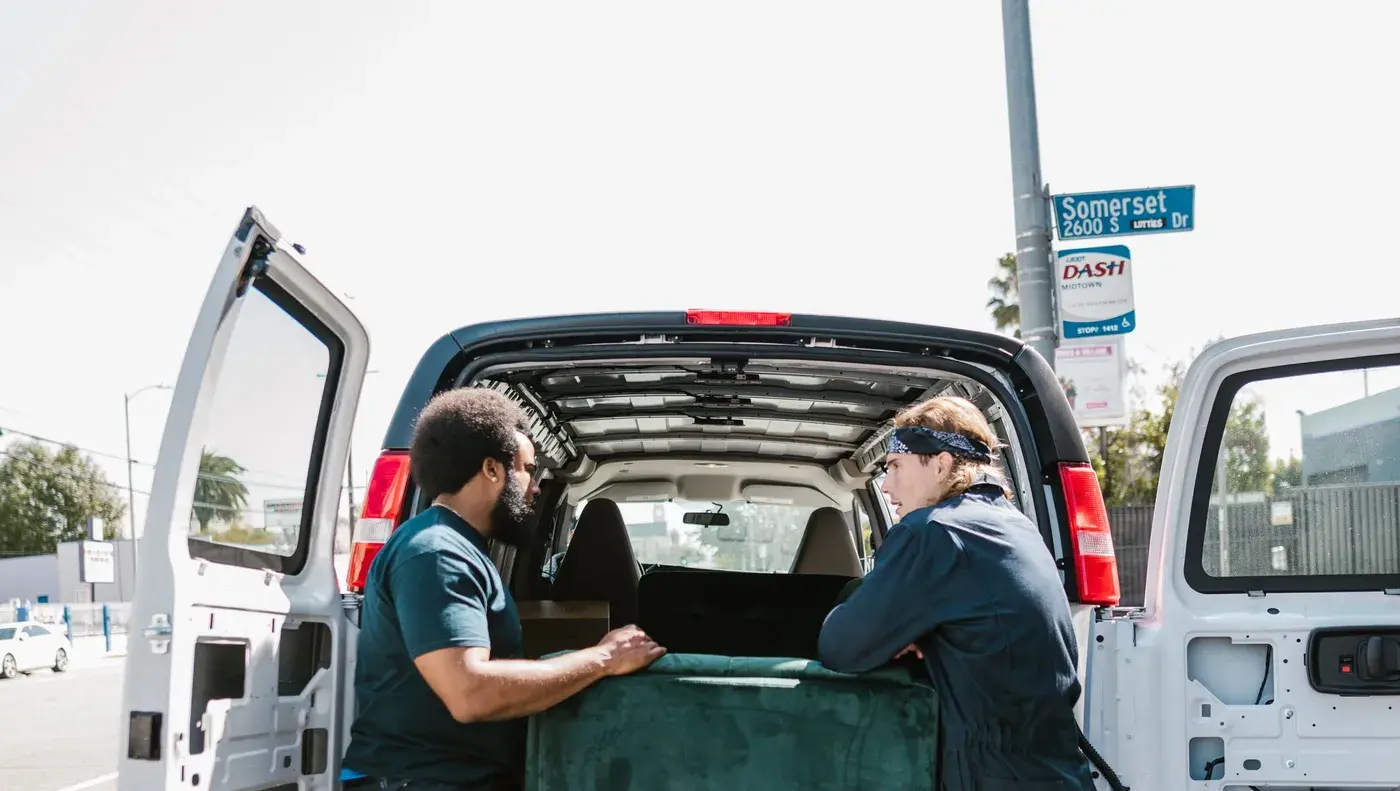
A truck crossing the county for one chair has already lost money before anybody lifts anything. The jobs that pay are the ones close enough together to stack, and nothing in the platform knows that unless somebody tells it.
- Fuel and crew are paid whether the truck is full or not
- A half empty day costs you the same two wages and the same gas as a full one. The difference between the two is which jobs you got offered, and that is decided by the ad.
- The job goes to whoever replies first
- Somebody clearing a garage on Saturday is not running a procurement process. They message two or three companies and go with the first real price. An hour later is a reply to a job already booked.
- Quoting in person is the most expensive thing you do
- Driving out to look at a pile you could have priced from a photo costs you a slot you could have sold. Two of those in a week is a full day gone.

What haulers tell us, and what we do about it
Five things we hear on nearly every first call with a junk removal company.
- Everybody wants one mattress moved.
- An ad that says junk removal attracts a single broken chair. An ad about garage clearouts, estate cleanouts and construction debris attracts loads that fill a truck. What the ad promises decides what shows up.
- I waste half a day driving out to quote.
- The form asks for a photo of the pile, which is how you were going to price it anyway. You quote from the cab between jobs instead of burning a morning looking at somebody's garage.
- Jobs are too spread out to make money.
- We set the radius around where you can realistically stack two or three jobs in a day, not the widest area you would travel to. Route density is the whole margin in this trade.
- They call three companies and book whoever answers.
- Your reply goes out the second the form lands, asking for a photo if one is missing. You are in the conversation while the other two are still listening to voicemail.
- The big commercial jobs never come through the ads.
- Because they are a different buyer on a different timeline. Property managers and contractors plan days ahead, so they get their own campaign instead of drowning under Saturday morning garage inquiries.
How it works
One call from you, and the first decision is about saying no to the wrong work.
We agree the smallest job worth sending a truck
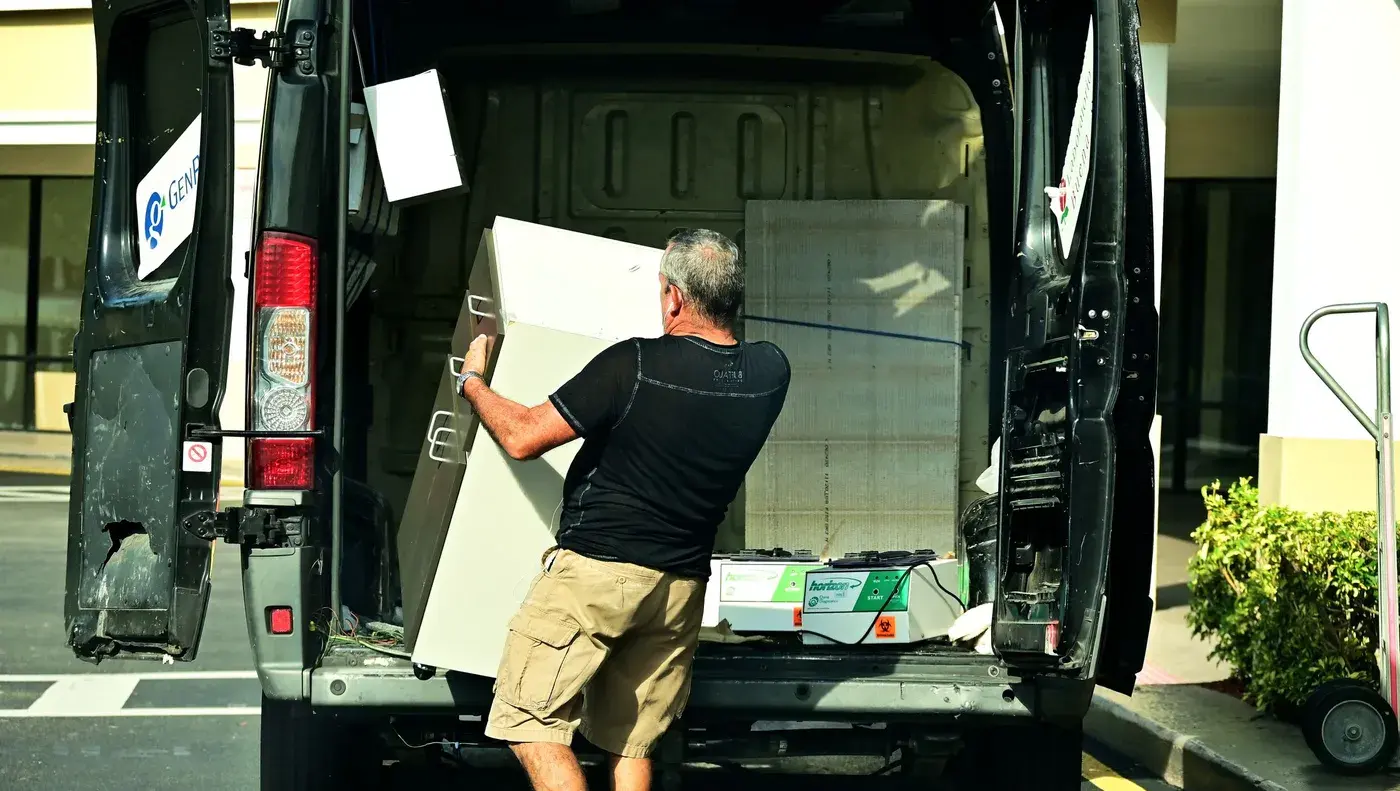
A single mattress and a four bedroom estate cleanout are both junk removal, and only one is worth a crew for a morning. We set that floor first, then build the campaign to attract what sits above it.

We set the radius around your route
Two jobs in the same neighborhood is a good day. Two jobs forty minutes apart is half a day of fuel and nothing to show for it. The targeting stops where the math stops working.

It runs and the quotes go out from a photo
Leads arrive with a picture of the pile. The reply goes out immediately, you price it from the cab, and the job gets booked without anyone driving anywhere to look at it.

We cut the job types that do not pay
Single item pickups that eat a slot, areas that never stack, times of day that produce nothing. All of it comes out, and the budget moves to the loads that fill a truck.
The work so far
Local businesses, real budgets, and what has come out the other side.
- $100k+
- Revenue generated for the businesses we run ads for
- 10+
- Service businesses served, mostly local trades
- 100%
- Satisfaction rate. Nobody has left unhappy yet
What you get every month
You set the budget and pay Meta directly. Our fee is separate, so none of it comes out of your spend.
- Targeting set tight enough to keep your route dense rather than scattered
- Ad copy and creative built from cleanouts you actually did
- A form that asks for a photo of the load, so you quote without driving out
- Instant text follow-up with a booking link for same-day and next-day work
- Separate campaigns for residential cleanouts and commercial clearances
- Ongoing testing, with areas and job types that do not pay switched off
- Reporting on cost per booked job, not cost per click
Month to month, and the leads are yours. Get my free hauling plan.
Before you ask
Most of this work gets searched for. Google Ads for junk removal covers that, and it is usually the first thing to turn on.
Junk removal leans toward Google more than most of the trades we work with, because the decision is usually made the same day and people go straight to their phone and search. Somebody clearing a garage this weekend types junk removal near me and calls whoever comes up. Meta is still worth running, and it does two things search cannot: it reaches people with a garage they have been meaning to deal with for a year, and it is far better for the big-ticket work like estate and property cleanouts, where a before and after photo does the convincing. If you can only run one, start with Google. Add Meta when you want the larger jobs rather than the single item pickups.
Faster than any other trade we work with. Somebody who decides on Saturday morning to clear the garage wants it gone by Sunday, so they contact three companies and book whoever gives them a number first. Second place gets nothing. The reply goes out the second the form is submitted and asks for a photo if one is missing, which is usually all you need to price it.
For most residential work, yes, and it is the single biggest time saver in this trade. The form asks for a photo of the pile, which is how experienced crews price anyway. Bigger commercial clearances still usually need a visit, so the campaigns keep those separate rather than treating every inquiry the same way.
The ad and the form both have to do it. An ad that just says junk removal attracts anyone with one broken chair. An ad about garage clearouts, estate cleanouts or construction debris attracts the loads that fill a truck. The form then asks roughly how much there is, so the small stuff is visible before you commit a crew to it.
Yes, as a separate campaign. The buyer is different, the job size is different and the timing is different: a property manager or contractor clearing a unit is planning a few days ahead rather than deciding this morning. Running both out of one campaign means the bigger jobs get buried under the volume of small residential inquiries.
The leads are yours and reach you directly. The ad account is whichever is easier for you: we set one up with full access from day one, or we work in the one you already have. The work is month to month and your ad budget is paid straight to Meta.
Tell us what you need
Send over a few details and we will come back with what we would do about it and what it would cost.
Rather skip the form? Call/text (810) 300-5891
or email nathan@enjimedia.com